

You and your best friend run a wildly popular neighbourhood bakery. Let’s call it The River Bean. Your chocolate chip cookies are the stuff of local legend, there is a line wrapping around the block every single morning, and you suddenly realize the truth: you need to open ten more locations across the city..

There is one problem. When you shake your piggy bank to fund this plan, it merely rattles a little. The expansion requires funds. But your savings aren’t enough.
What do you do? You gather the townspeople in the local square and offer them two choices to help fund your dream.
Choice One: You ask for a loan. You promise to pay them back in five years, plus a little extra every single year as a heartfelt thank-you. Congratulations, you have just discovered the world of Debt (or bonds)!.
Choice Two: Loans can be scary. Every year, you are bound by the obligation to pay your lenders the yearly “thank you” interest. Instead of taking that burden, you slice up the ownership of your bakery into 10,000 tiny equal pieces and sell 4,000 of them to the crowd. If The River Bean becomes a billion-dollar cookie empire, their slices become incredibly valuable. Welcome to the magical world of Equity (or shares)!
This thrilling dilemma is the beating heart of the business world. Whether it is a neighbourhood bakery or a tech giant, the big fundraising moment where money goes directly from everyday pockets into the company’s cash register is what experts call the “Primary Market”.
The Fundraising Menu (Or: How to Ask for Millions)
When a company decides it needs funds, they do not stand on a street corner with a tin cup. Instead, they get to look at a “menu of choices” for raising money.
The Open House (Public Issues): This is the classic scenario where anyone and everyone is eligible and invited to invest. When a private, unlisted company opens its doors to the public for the very first time, it throws an Initial Public Offer (IPO). If they are already a listed public company and want to come back to the crowd for a second helping of cash, they launch a Further Public Offer (FPO).
Where Does the Cash Go?: There is an important distinction! In a fresh issue, the company creates brand-new shares, and your investment goes directly into the company’s bank account to fund business operations (like buying those new bakery ovens). But in an offer for sale (OFS), the founders or early investors sell their own personal shares to the public. Your money bypasses the company entirely and goes straight into the founders’ pockets so they can finally get a well-deserved payday.
The Exclusive VIP Rooms: Sometimes, dealing with millions of everyday retail investors is too much of a hassle. In those cases, unlisted companies use Private Placements, and listed companies use Preferential Issues, to quietly sell their securities to a highly select group. If they want to sell exclusively to financial heavyweights—like giant mutual funds, pension funds, or insurance companies—they host a Qualified Institutions Placement (QIP). Think of it as a closed-door dinner just for institutional whales!
The Loyalty Perks: Companies also love to reward their existing fans. A Rights Issue gives current shareholders the VIP opportunity to buy more shares, usually at a sweet discount, before anyone else can. Even better, a Bonus Issue literally hands existing investors an allotment of extra shares completely for free!
The Cast: Artists, Audience & the Hype Team
Think of the primary market like putting on a massive, blockbuster theatre production. You need people who want to put on the show, an eager audience, professional event promoters, and a sturdy venue to make sure the stage doesn’t collapse!
Let’s meet the cast of characters:
The Capital Seekers (The Issuers): These are the folks standing on stage asking for money. But not everyone is equally desperate for your cash. Private companies are highly dependent on the market to raise funds for their big, ambitious ideas.
The Audience (The Buy Side): This is the group showing up with their wallets ready. The market separates us by the size of our wallet. You and I fall under “Retail Individual Investors“ meaning we are the everyday folks investing ₹2 lakhs or less in a single issue. On the other end of the spectrum are the Qualified Institutional Buyers (QIBs). These are the “whales” of the ocean—giant mutual funds and insurance companies—who completely dominate the debt markets.
The Hype Team (The Sell Side): A company can’t yell into a megaphone to sell shares; they hire highly specialized middlemen. They bring in Merchant Bankers to act as event managers, with one big boss—the Book Running Lead Manager (BRLM), doing the absolute heaviest lifting to run the show. Stockbrokers act as your friendly neighbourhood ticket agents, and Debenture Trustees step in as “bodyguards” to safeguard lenders’ interests if the company is issuing debt.
The Plumbing (Market Infrastructure): This is the invisible, behind-the-scenes tech that makes sure nobody loses their money. Registrar and Transfer Agents (RTAs) are the record-keepers who figure out who gets shares and who gets a refund. Meanwhile, Depositories (like CDSL or NSDL) act as a hyper-secure digital vault holding your electronic securities safely through simple book entries!
From the Bouncer to the Public: Path of an IPO
Think of launching an Initial Public Offer (IPO) like trying to get your business into the most exclusive, high-stakes nightclub in town. You cannot waltz through the front door; you have to get past the world’s strictest bouncer, throw a flawless party, and hope the crowd shows up!
The SEBI Vibe Check: Before a company can ask you for a single rupee, the market regulator (SEBI) acts as the gatekeeper to protect our hard-earned savings from scam artists. To even be considered for an IPO, a company must pass financial fitness tests, like proving they have a solid average operating profit of Rs. 15 crores over the previous three years.
The “Red Herring” Prospectus: Once past the bouncer, the company files a tell-all document with the regulator known as the “Red Herring” Prospectus. It contains all relevant information for an investor.
The Giant Lottery: When the issue finally opens, you and I get to bid. Thanks to a brilliant system called ASBA, your application money isn’t withdrawn from your bank account right away. Your bank simply “blocks” that amount so you can’t accidentally spend it on groceries, keeping it perfectly safe (and earning interest!) until you win some shares. But what happens if everyone loves the company and the IPO is massively oversubscribed? For everyday retail investors, it turns into a giant, computerized lottery! Shares are randomly allocated, and if you are lucky enough to win, you are capped at getting exactly 1 lot. This beautiful system ensures the absolute maximum number of everyday people get the chance to become owners.
When the Underdogs Won Big: History’s Wildest IPOs
Let’s step away from the theory and look at some epic, goosebump-inducing moments in market history where everyday people changed the game!
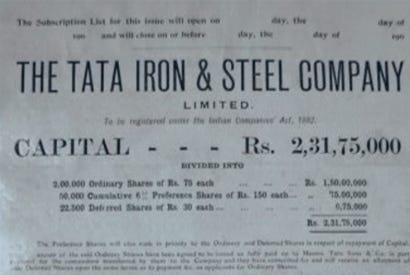
The Steel Syndicate (1907): When Sir Dorabji Tata set out to build India’s first integrated steel plant, British financiers literally laughed him out of the room. One incredibly smug railway commissioner even joked that he would personally “eat every pound of steel rail” the Tatas managed to produce. Rejected by the elite, Tata turned directly to us—the Indian public. During the Swadeshi Movement, over 8,000 everyday citizens, ranging from wealthy merchants to ordinary workers, pooled their savings to raise an astonishing £1,630,000 (over Rs. 2.32 crore at the time). It proved that a domestic market of regular folks could quite literally fund the building of a nation!
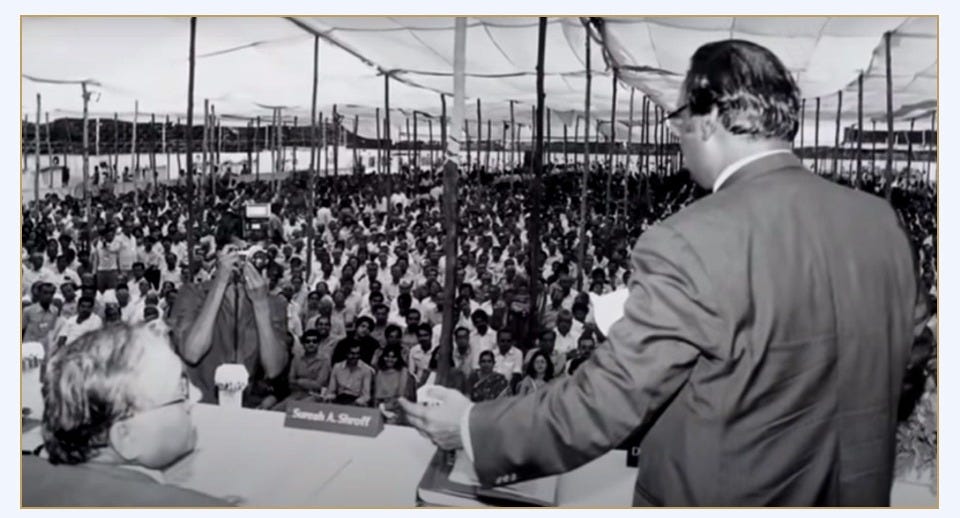
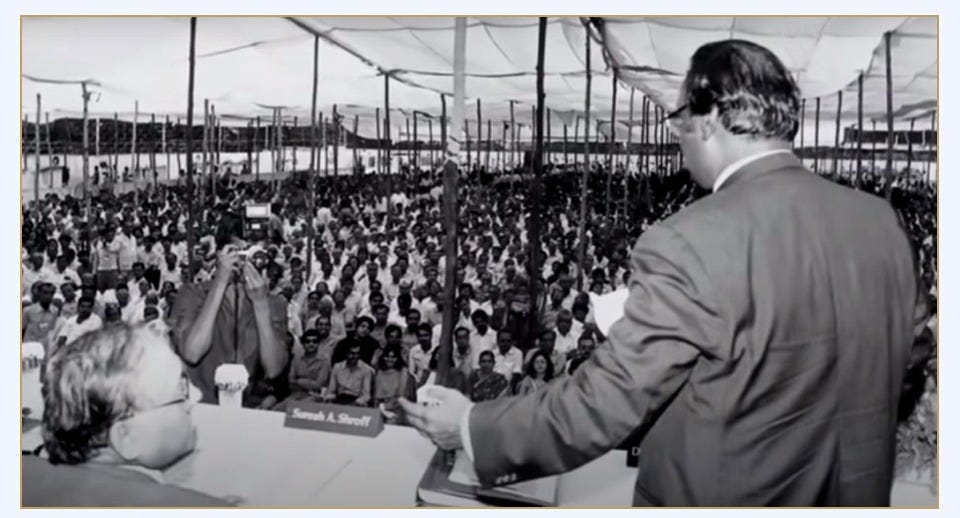
The Stadium Woodstock (1986): Before the 1970s, the stock market was a highly exclusive club reserved for the ultra-wealthy. Dhirubhai Ambani blew the doors off that club by courting middle-class retail investors to buy shares in Reliance. Because he treated these everyday investors as genuine partners, his fan base grew to a scale the market had never seen. By 1986, no normal corporate hall in Mumbai could hold his shareholders. Ambani had to rent out the Cross Maidan stadium to host an Annual General Meeting for over 30,000 retail investors under a giant tent!
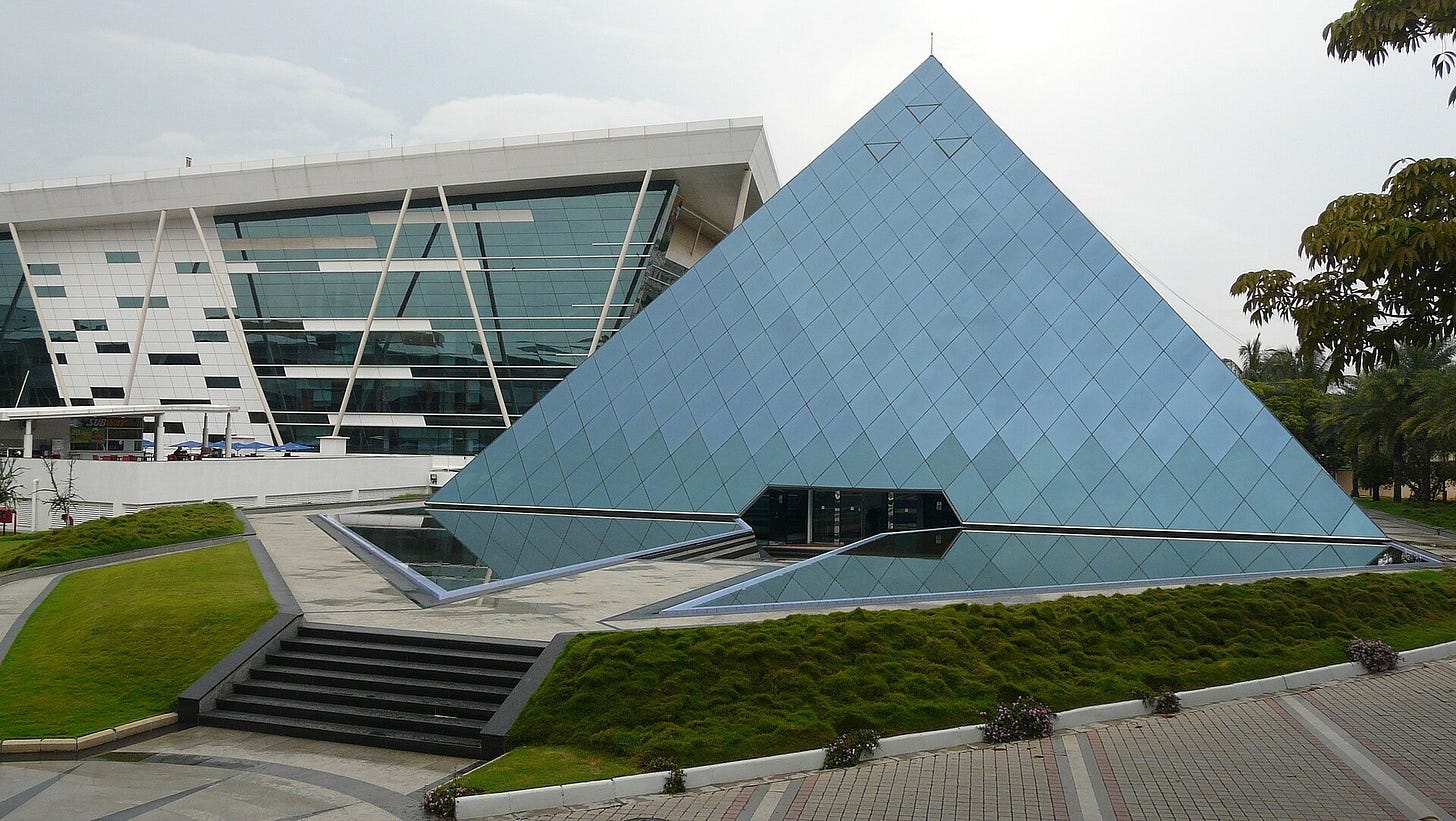
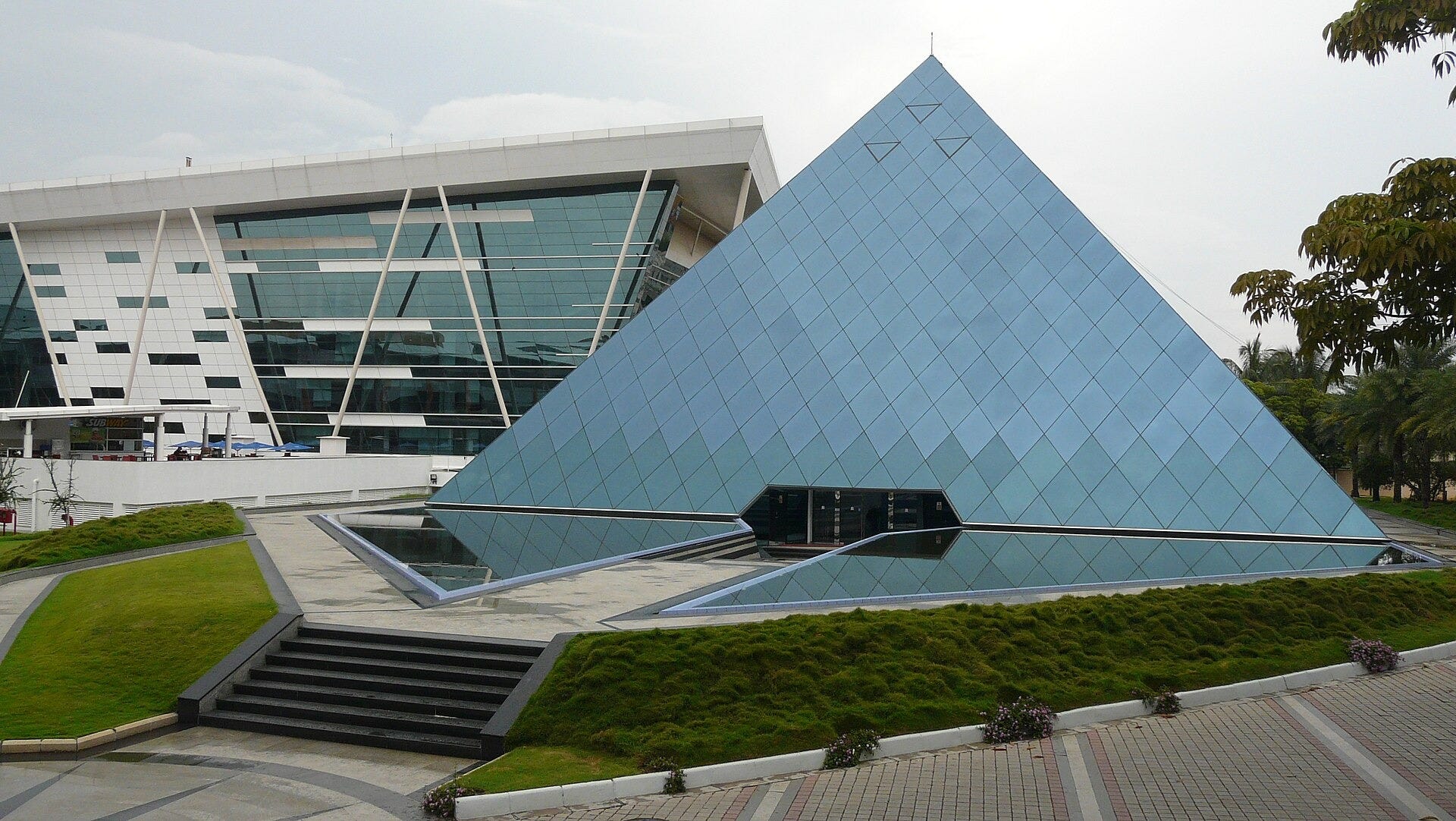
The IT Giant that Almost Flopped (1993): In 1993, a relatively unknown company called Infosys launched its IPO at Rs. 95. The problem was that nobody quite understood how a business of “people typing on computers” could make money. Because of this skepticism, the IPO was a near-disaster and barely subscribed. The underwriters had to swoop in and buy up the unsold equity to save the day. When the stock finally listed, it opened at Rs. 145, and those brave underwriters, along with the few gutsy retail investors who took the leap, were rewarded with one of the most legendary wealth-creation runs in corporate history.
Conclusion: Your Invitation to the Future
So, what is the takeaway from our deep dive into the primary market?
Beneath all the terrifying financial jargon and complex rulebooks, the market is a heavily regulated engine built to fuel human dreams. Whether it is funding a huge, nation-building steel plant or helping The River Bean buy ten new ovens for their cookie empire, the primary market is not a casino. It is a genuine, open invitation to own a tiny piece of the future.
You do not need a fancy finance degree to participate. You just need to understand who is sitting on the other side of the transaction, know how the machinery works, and have a little bit of faith in the power of a great idea!
Want to dive deeper into these concepts?
I’ve recorded a comprehensive, hour-long video episode that explores all of these topics in greater detail, and it is completely free as part of an ongoing course. Click here to watch the full deep-dive on YouTube and continue your learning journey: